Will AI Replace Digital Marketers?
Artificial Intelligence (AI) is everywhere — from chatbots and voice assistants to ad targeting and content generation. It’s transforming how brands connect with audiences and how marketers plan their strategies. But with all this automation, one big question keeps coming up: Will AI replace digital marketers?
The short answer is — no, but it’s definitely changing the way digital marketing works. Let’s explore how AI is reshaping the marketing world and why human creativity still holds the key.
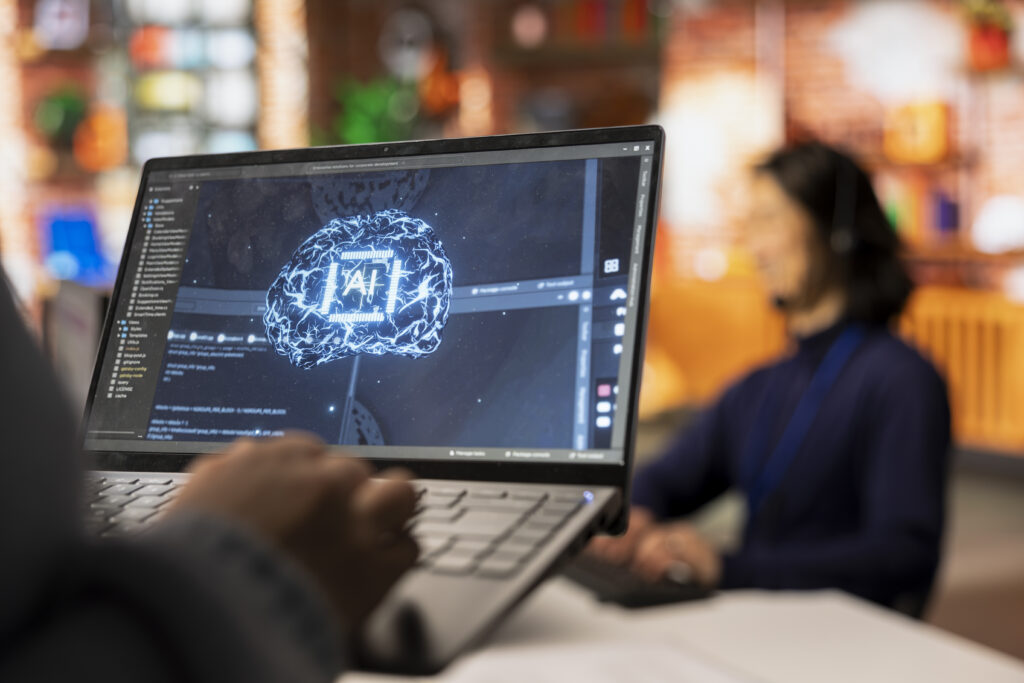
1. AI Is Revolutionizing Digital Marketing
AI has already made a huge impact on how marketing works. It helps businesses analyze data, understand customer behavior, and make smarter decisions faster than ever before.
From personalized recommendations on e-commerce sites to automated email campaigns and predictive analytics, AI allows marketers to reach the right audience with the right message — all with greater precision.
AI doesn’t replace marketing; it enhances it by taking care of repetitive tasks, so professionals can focus on strategy and creativity.
2. Tasks AI Can Automate
AI can handle many parts of digital marketing efficiently — especially those that involve data processing or pattern recognition. Some examples include:
-
Ad Targeting: Platforms like Google Ads and Meta Ads use AI to optimize campaigns automatically.
-
Content Suggestions: AI tools recommend trending topics and even help with writing drafts.
-
Email Personalization: Smart automation helps send customized emails at the perfect time.
-
Analytics and Reporting: AI tools instantly generate performance reports that would take hours to prepare manually.
These automations save marketers a lot of time, allowing them to focus on strategy, creativity, and audience engagement.
3. Why AI Can’t Replace Human Marketers
While AI is powerful, it lacks one thing — human emotion and creativity. Marketing is not just about numbers and algorithms; it’s about storytelling, psychology, and connection.
Humans bring:
-
Empathy — understanding what audiences feel and why they buy.
-
Creativity — crafting unique messages, visuals, and campaigns that resonate emotionally.
-
Strategy — combining business goals, market trends, and brand values into a cohesive plan.
AI can analyze what’s already happened — but only humans can imagine what’s next.
4. AI as a Powerful Assistant, Not a Replacement
Think of AI as a co-worker, not a competitor. It helps digital marketers work smarter, not harder. For example:
-
AI tools help SEO experts find better keywords.
-
Marketers use AI-driven insights to design more effective campaigns.
-
Creators use AI tools to generate ideas faster and refine their work.
The future belongs to professionals who know how to use AI strategically — not those who fear it.
5. The New Skillset for Digital Marketers
As AI continues to evolve, digital marketers must adapt. Learning to work with AI tools will become one of the most valuable skills in the industry.
Key future-ready skills include:
-
Data interpretation and analytics
-
AI-driven ad optimization
-
Content strategy and storytelling
-
Marketing automation and personalization
-
Ethical use of AI in campaigns
The best marketers of tomorrow will be those who blend creativity with technology.
6. The Future: AI + Human Creativity
The future of digital marketing isn’t about humans versus machines — it’s about humans working with machines. AI will handle the technical side, while marketers will lead the emotional and strategic side.
This collaboration will make campaigns smarter, more efficient, and more impactful than ever before. AI can’t replace the human touch — it can only amplify it.
Conclusion
AI is reshaping the digital marketing industry, but it’s not replacing digital marketers — it’s empowering them. The future belongs to those who embrace change, learn continuously, and use technology as a creative partner.
In the end, marketing is about people — their emotions, needs, and dreams — and no machine can truly replace that human connection.